
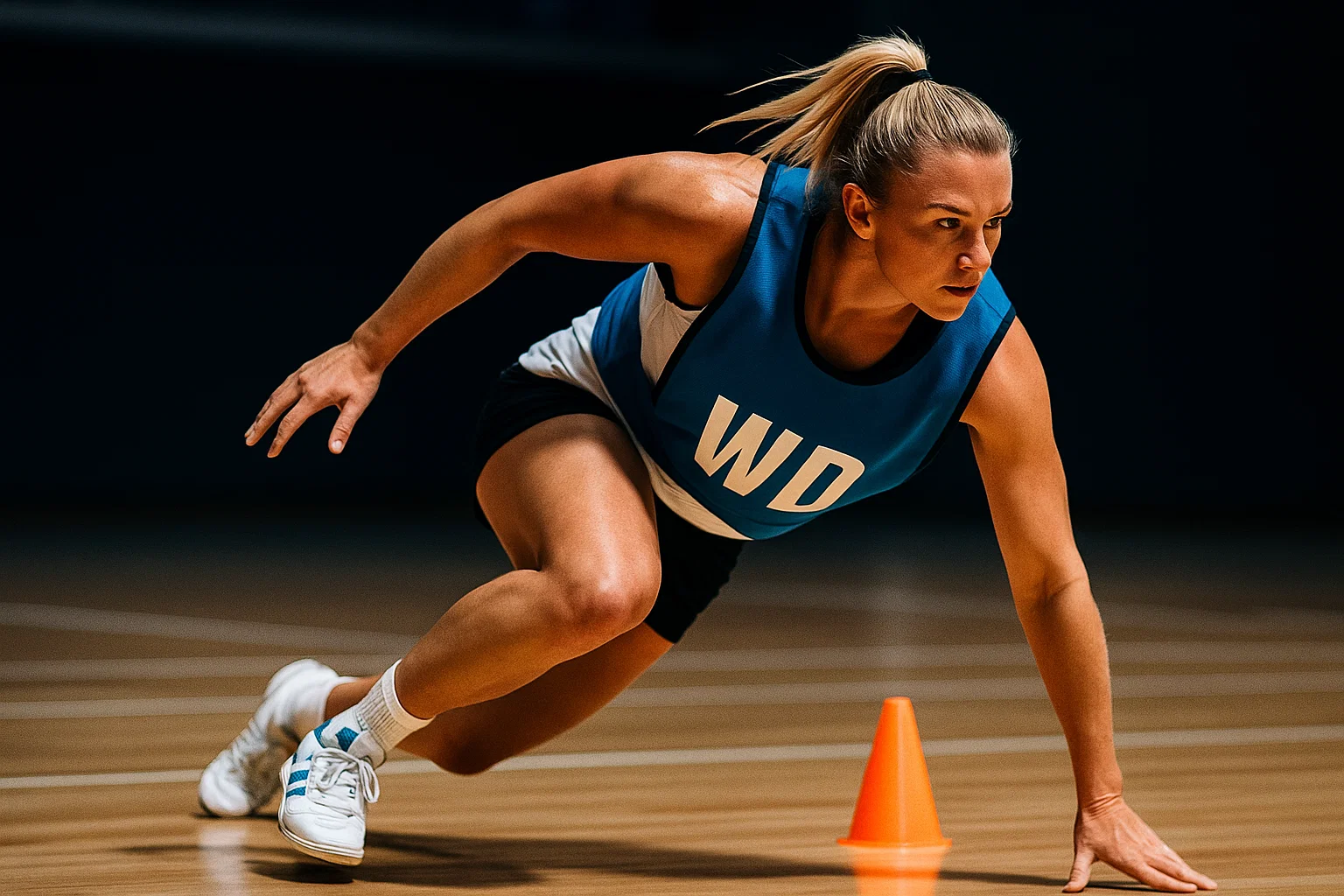
Best Agility Drills for Netball Movement
Agility is one of the most important physical skills in netball — and it often separates good players from great ones. Whether you’re a defender trying to shut down an attacker, a center making quick direction changes, or a shooter creating space to score, your ability to move quickly and change direction with control is key. The good news is that agility isn’t just a natural talent — it’s a skill you can train and improve with the right drills.
This complete guide covers everything you need to know about agility training for netball players. From understanding why agility matters to mastering specific drills that boost speed, footwork, and reaction time, you’ll learn how to move more efficiently and dominate every part of the court. Whether you’re a beginner or an experienced player, these agility drills will help you level up your performance.
Also Read: How to play after cricket Injury
Why Agility Matters in Netball?
Agility is one of the most crucial physical skills in netball, as the game demands constant changes in speed, direction, and movement. Players need to accelerate, stop suddenly, pivot, and react quickly to both the ball and their opponents. Having strong agility helps you perform these actions smoothly and efficiently, giving you a competitive edge on the court.
Improved agility doesn’t just make you faster — it also enhances balance, coordination, and body control, reducing your risk of injuries during intense play. It allows you to stay one step ahead of defenders, create scoring opportunities, and respond instantly to changing game situations. Whether you’re intercepting a pass, defending a shot, or sprinting into space, agility is the skill that elevates your netball performance.

Best Agility Drills for Netball Movement for Beginners
For beginners, agility drills in netball focus on improving quick footwork, coordination, and body control — all essential for smooth movement on the court. Simple cone drills, ladder exercises, and short shuttle runs help new players build confidence in changing direction quickly and maintaining balance during fast-paced plays. Starting with easy, controlled movements ensures proper technique and reduces the risk of injury as your agility develops.
As beginners progress, incorporating reaction-based drills and low-impact plyometric exercises enhances their speed and responsiveness. These drills train the muscles and nervous system to react faster during passes, interceptions, and defensive moves. Consistent agility training not only boosts on-court performance but also lays a strong foundation for advanced skills like quick pivots, dodges, and rapid transitions in future gameplay.
Key Benefits of Agility Training for Netball Players
Agility training is essential for netball players because it enhances their ability to move quickly and efficiently in all directions while maintaining balance and control. It also enhances speed, coordination, and reaction time, which are crucial for outperforming opponents and making more informed plays on the court.
- Faster Direction Changes: Agility drills train your muscles and nervous system to change direction quickly without losing balance. This helps you respond instantly to opponents’ movements and create space during offensive plays.
- Improved Reaction Time: Better agility sharpens your ability to react faster to passes, interceptions, and sudden changes in gameplay. Quick decision-making gives you a competitive edge and keeps you one step ahead of your opponents.
- Enhanced Balance and Coordination: Agility training improves body control, allowing you to stop, pivot, and move smoothly without risking injury. Strong coordination also helps maintain stability during rapid transitions on the court.
- Injury Prevention: Regular agility work strengthens muscles, ligaments, and joints, making them more resilient to sudden stress. This reduces the risk of common netball injuries like ankle sprains and knee strains.
- Increased Overall Speed: By combining strength and speed, agility drills help you accelerate faster and move more efficiently. This allows you to cover the court quickly and stay involved in every play.
- Better Offensive and Defensive Skills: Agility improves footwork, positioning, and timing, helping you defend tighter and attack more effectively. It ensures you’re always in the right place at the right time to influence the game.
Best Agility Drills for Netball Movement
Here are the most effective agility drills that every netball player should include in their training routine. Each drill targets specific aspects of movement — from foot speed and coordination to reaction time and directional control.
1. Ladder Drills
Ladder drills are a classic agility exercise designed to improve foot speed, coordination, and reaction time. Using an agility ladder, players perform quick step patterns that mimic netball movements.
- Helps you move faster in tight spaces.
- Improves coordination between your feet and upper body.
- Enhances reaction speed for sudden direction changes.
Tips:
- Start slow to master the technique, then increase speed.
- Focus on keeping your steps light and controlled.
- Perform for 30–60 seconds with short rest breaks.
2. Cone Zig-Zag Drill
The cone zig-zag drill focuses on fast, controlled changes of direction — essential for evading defenders or marking opponents.
- Set up cones in a zig-zag pattern and sprint between them, focusing on sharp turns.
- Builds acceleration and deceleration control.
- Improves your ability to pivot and react on the court.
Tips:
- Keep your hips low and knees bent during turns.
- Push off the outside leg for maximum power.
- Repeat 4–6 times for best results.
3. T-Drill
The T-Drill mimics game-like movements such as sprinting, side-shuffling, and backpedaling — all crucial for netball performance.
- Increases overall agility, speed, and balance.
- Builds multi-directional movement skills.
- Enhances game-specific movement patterns.
Tips:
- Stay low during side shuffles for better control.
- Use quick, short steps when changing direction.
- Perform 4–5 sets with 1-minute rest intervals.
4. 5-10-5 Shuttle Drill
This drill develops acceleration, deceleration, and quick direction changes — all vital during fast breaks and defensive plays.
- Sprint 5 meters, return, then sprint 10 meters and back again.
- Builds explosive speed and power.
- Trains quick reaction and control under pressure.
Tips:
- Focus on rapid changes of pace.
- Stay balanced and avoid overstriding.
- Perform 3–4 sets at maximum effort.
5. Reaction Ball Drill
Netball is a game of split-second decisions, and the reaction ball drill trains your brain and body to respond instantly.
- Drop a reaction ball and catch it after one bounce.
- Improves reflexes and hand-eye coordination.
- Enhances reaction speed and timing.
Tips:
- Vary the drop height and direction.
- Perform the drill with a partner for added unpredictability.
- Try 3 sets of 1 minute each.
How do you Practice Speed and Agility in Netball?
Improving speed and agility in netball starts with focused training that enhances quick footwork, reaction time, and body control. Netball players need to move explosively in all directions — forward, backward, and sideways — while maintaining balance and precision. Incorporating drills like ladder runs, shuttle sprints, and cone changes helps build the fast-twitch muscles essential for quick acceleration and sharp turns on the court.
Consistency and technique are key when practicing agility in netball. Combining strength training, plyometric exercises, and short high-intensity drills improves coordination and power while reducing the risk of injury. Practicing 2–3 times a week with proper warm-ups, stretching, and recovery ensures steady progress, helping you move faster, react smarter, and perform at your peak during every match.
Plyometric Drills to Improve Agility
Plyometric drills are one of the most effective ways to improve agility in netball by developing explosive power, speed, and coordination. These high-intensity exercises train your muscles to react faster and move more efficiently, allowing you to accelerate, stop, and change direction quickly during matches. Incorporating plyometrics into your routine enhances balance and control — key components of agile netball movement.
Tips to Improve Agility with Plyometric Drills:
- Start with low-impact drills like jump squats and lateral hops before progressing to advanced exercises.
- Focus on soft landings to protect your knees and ankles while maintaining good posture.
- Keep your movements quick, powerful, and controlled for maximum agility gains.
- Include 2–3 plyometric sessions per week for steady improvement without overtraining.
- Combine plyometrics with strength and balance exercises for complete agility development.
Agility Circuit Workout for Netball Players
A structured agility circuit workout helps netball players improve speed, reaction time, and multidirectional movement. Incorporating a mix of cone drills, ladder work, and sprints builds explosive power and sharpens footwork — both crucial for dominating on the court.
| Drill Name | Focus Area | Duration / Reps | Tips for Best Results |
| Cone Zig-Zag Drill | Quick direction changes & balance | 4 rounds × 30 seconds | Stay low with knees bent and push off powerfully from each step. |
| Ladder In-Out Drill | Foot speed & coordination | 3 sets × 1 minute | Keep movements quick and controlled, focusing on light foot contact. |
| T-Drill Sprint | Acceleration & reaction time | 5 rounds | Explode out of turns and maintain a strong posture through each sprint. |
| Shuttle Runs (5-10-5) | Speed & agility transitions | 4 sets | Focus on quick pivots and minimal time spent changing direction. |
| Box Agility Drill | Multidirectional movement | 3 rounds × 1 minute | Move forward, backward, and sideways with explosive energy. |
| Reaction Light Drill | Reflexes & response speed | 4 sets × 30 seconds | React instantly to signals and push off the ground with power. |
This agility circuit workout can be completed in 20–30 minutes, 2–3 times per week, and is ideal for building game-ready movement skills. Consistent training will improve your ability to accelerate, decelerate, and change direction effectively during matches.
Individual Netball Agility Drills
Individual netball agility drills are essential for improving your quickness, balance, and reaction speed without needing a training partner. These solo exercises help you move more efficiently, stay light on your feet, and boost your overall performance on the court.
- Cone Weave Drill: Set up cones in a zig-zag pattern and sprint through them while staying low and controlled — this improves direction changes and foot coordination.
- Agility Ladder Steps: Practice quick in-and-out steps through the ladder to build speed, rhythm, and precise footwork essential for fast transitions.
- Shadow Defense Drill: Move laterally as if defending an opponent, keeping your knees bent and core engaged to enhance reaction timing and body control.
- Resistance Band Shuffle: Wrap a resistance band around your legs and perform side steps — this strengthens glutes and improves lateral agility for defensive moves.
- Sprint and Backpedal Drill: Alternate between short sprints and quick backpedals to mimic game-like transitions and sharpen acceleration and recovery speed.
Practicing these individual netball agility drills regularly will help you become faster, more responsive, and confident in high-pressure game situations.
Conclusion
Improving your movement through agility drills for netball is one of the best ways to enhance speed, coordination, and reaction time on the court. Regular netball agility drills like ladder steps, cone zig-zags, and shuttle sprints train your body to change direction faster while maintaining balance and control. These exercises not only boost physical performance but also reduce the risk of injuries by strengthening the muscles and joints used most during gameplay. With consistent practice, agility drills help you move smarter, stay light on your feet, and dominate every part of the court — whether defending, passing, or shooting.
Incorporating a variety of netball agility drills into your weekly training routine ensures you develop explosive power, better body control, and quick reaction skills. Combining agility drills with strength and plyometric exercises creates a complete program that prepares players for real game intensity. As your speed, coordination, and responsiveness improve, so will your ability to anticipate opponents’ movements and make faster plays. Mastering agility drills for netball is not just about fitness — it’s about building confidence, precision, and dominance in every match.
FAQs
Q: How often should I do agility drills for netball?
For the best results, practice agility drills for netball at least 2–3 times per week. Consistent training helps improve foot speed, reaction time, and overall on-court movement without overtraining your muscles.
Q: Can beginners improve agility quickly?
Yes, beginners can improve agility quickly by starting with simple netball agility drills like ladder steps and cone runs. With proper form and regular practice, noticeable results can appear within a few weeks.
Q: Are agility drills suitable for all netball positions?
Absolutely — agility drills benefit every netball position, from defenders to shooters. They enhance balance, reaction time, and movement efficiency, helping players perform faster and more confidently in all areas of the court.
Q: What equipment do I need for agility training?
You only need basic gear such as cones, agility ladders, resistance bands, or markers for netball agility drills. These simple tools are perfect for improving speed, coordination, and directional control during training.
Q: Can agility drills help prevent injuries?
Yes, regular agility drills for netball strengthen key muscles and improve balance, reducing the risk of ankle sprains, knee strains, and other common injuries. Controlled, efficient movements help protect joints during fast gameplay.