Shin Splints Symptoms: Tips for Prevention and Management
Shin splints, also known as medial tibial stress syndrome (MTSS), are a common complaint among athletes and fitness enthusiasts. Whether you’re a seasoned runner, a dedicated dancer, or someone who enjoys regular workouts, understanding shin splints can help you navigate your training journey more effectively. In this blog post, we’ll delve into the fundamentals of shin splints, drawing insights from recent research to provide practical tips for prevention and management.
What are Shin Splints?
Shin splints refer to the pain experienced along the inner edge of the shinbone (tibia) during physical activity. This discomfort arises from repetitive stress and microtrauma to the muscles, tendons, and periosteum surrounding the tibia. While shin splints are often associated with activities like running, they can also occur with sudden increases in training intensity, improper biomechanics, or inadequate footwear.
Shin Splints Risk Factors
Several factors increase the risk of developing shin splints. These include:
- Sudden changes in training volume or intensity
- Biomechanical abnormalities such as overpronation or flat feet
- Muscle imbalances and weakness in the lower limbs
- Poor flexibility or inadequate warm-up routines
- Inappropriate footwear or worn-out shoes
Shin Splint Symptoms
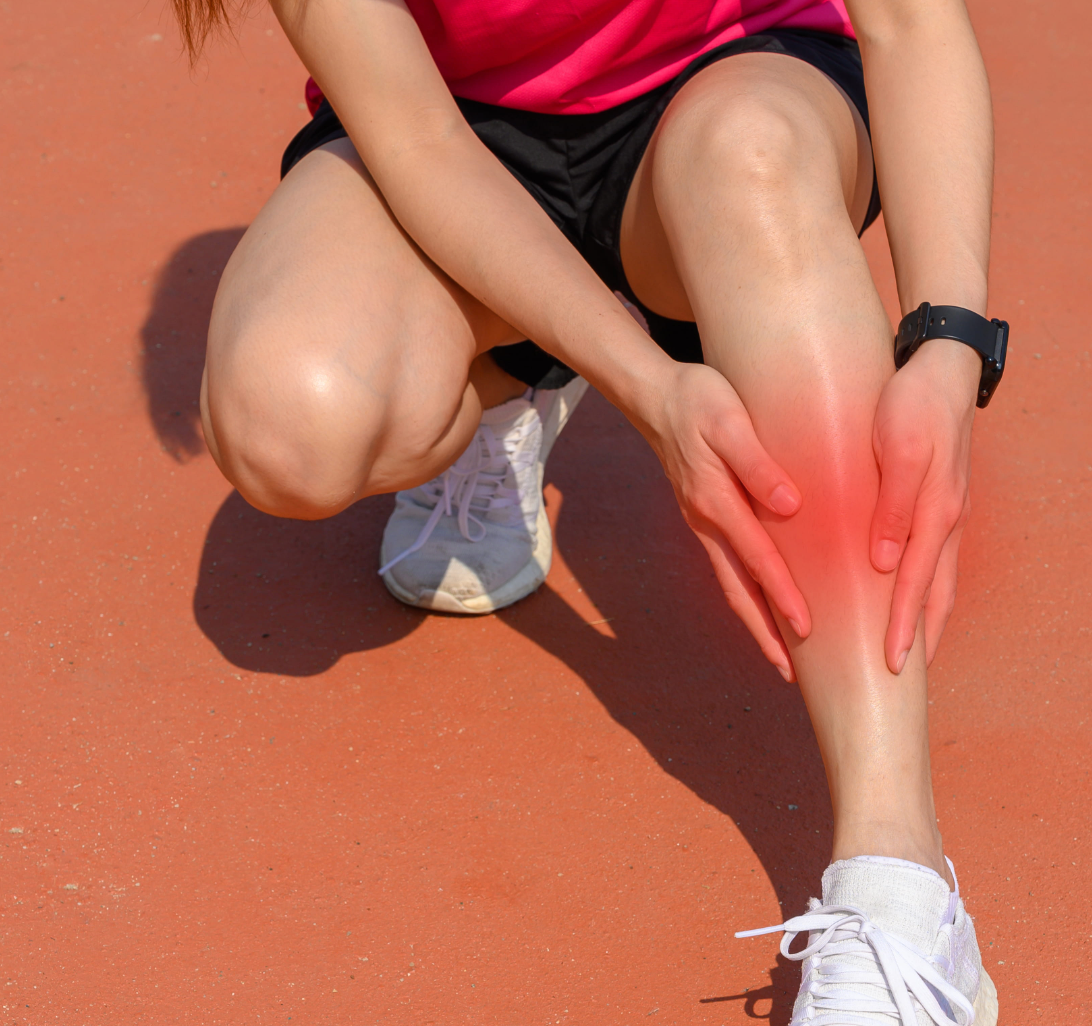
The hallmark symptom of shin splints is pain along the medial aspect of the shinbone, typically occurring during or after physical activity. This pain may start as a dull ache and progress to a sharp, stabbing sensation.
Other symptoms include tenderness, swelling, and discomfort when touching the affected area.
How to Prevent Shin Splint?
Preventing shin splints begins with addressing modifiable risk factors and adopting healthy training practices. Here are some tips to reduce your risk of developing shin splints:
- Gradually increase training intensity and duration to allow for adaptation.
- Incorporate strength and flexibility exercises targeting the lower limbs, especially the calf muscles and intrinsic foot muscles.
- Ensure proper footwear with adequate support and cushioning, replacing worn-out shoes regularly.
- Warm up adequately before engaging in vigorous physical activity and cool down afterward to promote muscle recovery.
- Listen to your body and avoid pushing through pain; rest and recovery are essential parts of the training process.
Signs and Symptoms of Shin Splints: What You Need to Know
Shin Splint Management Strategies
If you’re experiencing symptoms of shin splints, it’s crucial to address them promptly to prevent worsening and potential complications.
Here are some management strategies to consider:
- Rest and modify your training routine to reduce stress on the affected area.
- Apply ice packs to alleviate pain and inflammation, especially after activity.
- Consider cross-training activities that minimize impact on the lower limbs, such as swimming or cycling.
- Gradually reintroduce activity once symptoms subside, focusing on proper technique and biomechanics.
- Consult a healthcare professional for a comprehensive assessment and personalized treatment plan, which may include physical therapy, orthotics, or other interventions.
Relieving Shin Splints with Myofascial Release
Shin splints treatment
Shin splints (medial tibial stress syndrome) refer to pain along the shinbone (tibia) that often occurs in athletes or individuals who engage in physical activity, especially those involving running or jumping. The condition is caused by overuse, stress, or inflammation of the muscles, tendons, and bone tissue around the shin area.
Here are some effective treatments and strategies to manage shin splints:
Rest and Recovery
Take a break: Rest is crucial to allow the inflamed tissues time to heal. Avoid high-impact activities like running or jumping until the pain subsides. Opt for low-impact exercises (e.g., swimming, cycling) to maintain fitness.
Active rest: Engage in activities that don’t strain the shins, such as walking or gentle stretching.
Ice Therapy
Apply an ice pack to the affected area for 15-20 minutes every 1-2 hours during the first 48 hours of discomfort. This helps reduce inflammation and pain.
Compression
Use a compression bandage or shin splint sleeve to help reduce swelling and provide support.
Elevation
Elevate your leg when resting to help reduce swelling and improve circulation in the injured area.
Pain Relief
Over-the-counter (OTC) pain relievers such as ibuprofen or acetaminophen can help manage pain and inflammation.
Stretching and Strengthening Exercises
Stretch your calves: Tight calves can contribute to shin splints. Regular calf stretches may help alleviate strain on the shin muscles.
Strengthen lower leg muscles: Performing exercises to strengthen the anterior tibialis and other lower leg muscles can prevent the condition from recurring.
Some helpful exercises:
Toe raises: Stand with your feet flat, then raise your toes toward the ceiling and lower back down.
Heel-to-toe walking: Walk on your heels for 30 seconds, then on your toes for 30 seconds.
Resistance band exercises: Use a resistance band to strengthen the muscles around your shin.
Footwear
Ensure you’re wearing proper footwear that provides adequate arch support and cushioning. Worn-out shoes or those lacking proper support can increase your risk for shin splints.
Consider orthotic inserts for additional support if you have flat feet or high arches.
Gradual Return to Activity
Once the pain subsides, gradually reintroduce running or strenuous activity to avoid overloading your shins too quickly.
Gradually increase intensity and duration of exercise, following a careful, structured plan.
Modify Training
Avoid sudden increases in intensity or volume in your exercise routine. A sudden spike in activity can overwhelm the muscles and tissues.
Mix up your workout routine to include cross-training, such as cycling or swimming, to reduce the repetitive strain on your shins.
Massage and Myofascial Release
Massage: Gentle massage of the lower legs can help release tension in the muscles and improve circulation.
Foam rolling: Using a foam roller on your calves and shin muscles may help alleviate tightness and improve flexibility.
Medical Intervention
If pain persists despite at-home treatments, it’s important to consult a healthcare provider for further evaluation. They may suggest physical therapy or, in severe cases, imaging tests to rule out stress fractures or other conditions.
By following these treatments and making some adjustments to your exercise routine, shin splints can typically be managed effectively. However, be patient and listen to your body—rushing back into intense activity too soon may lead to reinjury.
Conclusion
By understanding the causes, symptoms, and management strategies of shin splints, you can take proactive steps to protect your lower limbs and optimize your training experience. Remember, prevention is key, but early recognition and appropriate management are equally important for long-term athletic success. If you’re experiencing persistent or worsening symptoms, don’t hesitate to seek professional guidance to address underlying issues and get back on track safely.
FAQs
What causes pain in the shin bone?
Shin splints are caused by repetitive activity or hard exercise, leading to inflammation of muscles, tendons, and tissues covering the shin bones.
How do you relieve shin splints?
To relieve shin splints, apply ice for 15-20 minutes, 3-4 times a day, and take over-the-counter pain relievers.
Do shin splints ever go away?
Shin splints usually go away within 3-4 weeks after resting and allowing time for healing.
How can I test myself for shin splints?
You can test for shin splints by pressing on your shin bone; if there’s a dent or pitting, it could indicate shin splints.
What deficiency causes shin pain?
Vitamin D deficiency can cause shin bone pain and moderate tenderness to pressure.
What can be mistaken for shin splints?
Conditions like stress fractures or compartment syndrome can be mistaken for shin splints.
What are 5 symptoms of shin splints?
Common symptoms of shin splints include pain along the shin bone, swelling, tenderness, and inflammation.
Is walking ok for shin splints?
Walking with shin splints is generally okay if pain is manageable, but resting is important.
Is it good to rub shin splints?
Rubbing shin splints may offer temporary relief, but deep tissue massage should avoid inflamed areas.
What happens if you ignore shin splints?
Ignoring shin splints can lead to chronic pain and long-term injury, requiring more extensive treatment.
Do I get shin splints because I’m fat?
Overweight individuals are at higher risk of developing shin splints due to added stress on leg muscles and bones.
How to massage shin splints yourself?
Massage therapy can help with shin splints by improving muscle flexibility, but avoid massaging the inflamed areas.
How to fix shin splints fast?
To fix shin splints fast, rest, ice, elevate, and consider over-the-counter anti-inflammatory medications.
Is heat good for shin splints?
Heat can worsen shin splints by increasing inflammation, so ice is generally recommended.
Why do my shins hurt at night?
Shin pain at night could be a sign of ongoing inflammation or overuse injury.
Can I still run with shin splints?
Running with shin splints is not advisable as it can worsen the condition and delay healing.
Will low vitamin D cause leg pain?
Low vitamin D levels can lead to leg pain, including shin discomfort.
Should I take calcium for shin splints?
Calcium may help with bone health but is not directly related to shin splint treatment.
How long do shin splints last?
Shin splints typically last 3-4 weeks with proper rest and recovery.
Does rubbing ice on shin splints help?
Rubbing ice on shin splints helps reduce inflammation and alleviate pain.
What is the muscle next to the shin bone?
The muscle next to the shin bone is the tibialis anterior.
Does sleep help with shin splints?
Sleep promotes healing, so adequate rest can help in recovering from shin splints.
How to ignore shin splints?
Ignoring shin splints can worsen the condition, leading to long-term damage.
How to strengthen shins?
Strengthening shin muscles with exercises like toe raises and ankle dorsiflexion can help prevent shin splints.
Can I squat with shin splints?
Squatting with shin splints is not recommended if it causes pain or discomfort in the shin area.
Do cold showers help shin splints?
Cold showers can help reduce inflammation and promote healing in shin splints.
How to cure shin splints?
Rest, ice, stretch, strengthen, and use proper footwear.
How to stop shin splints?
Avoid overtraining, wear good shoes, warm up properly, and cross-train.
How do you know if you have shin splints?
Pain along the front or inner shin, worse during or after activity.
How do I treat my shin splints?
Rest, ice the area, reduce activity, and do gentle stretching.
How can I test myself for shin splints?
Press on the shin—tenderness or pain with running or jumping may indicate shin splints.
What triggers shin splints?
Overuse, poor footwear, hard surfaces, or sudden increase in activity.