How to Lift Weights Over 50: The Complete Guide

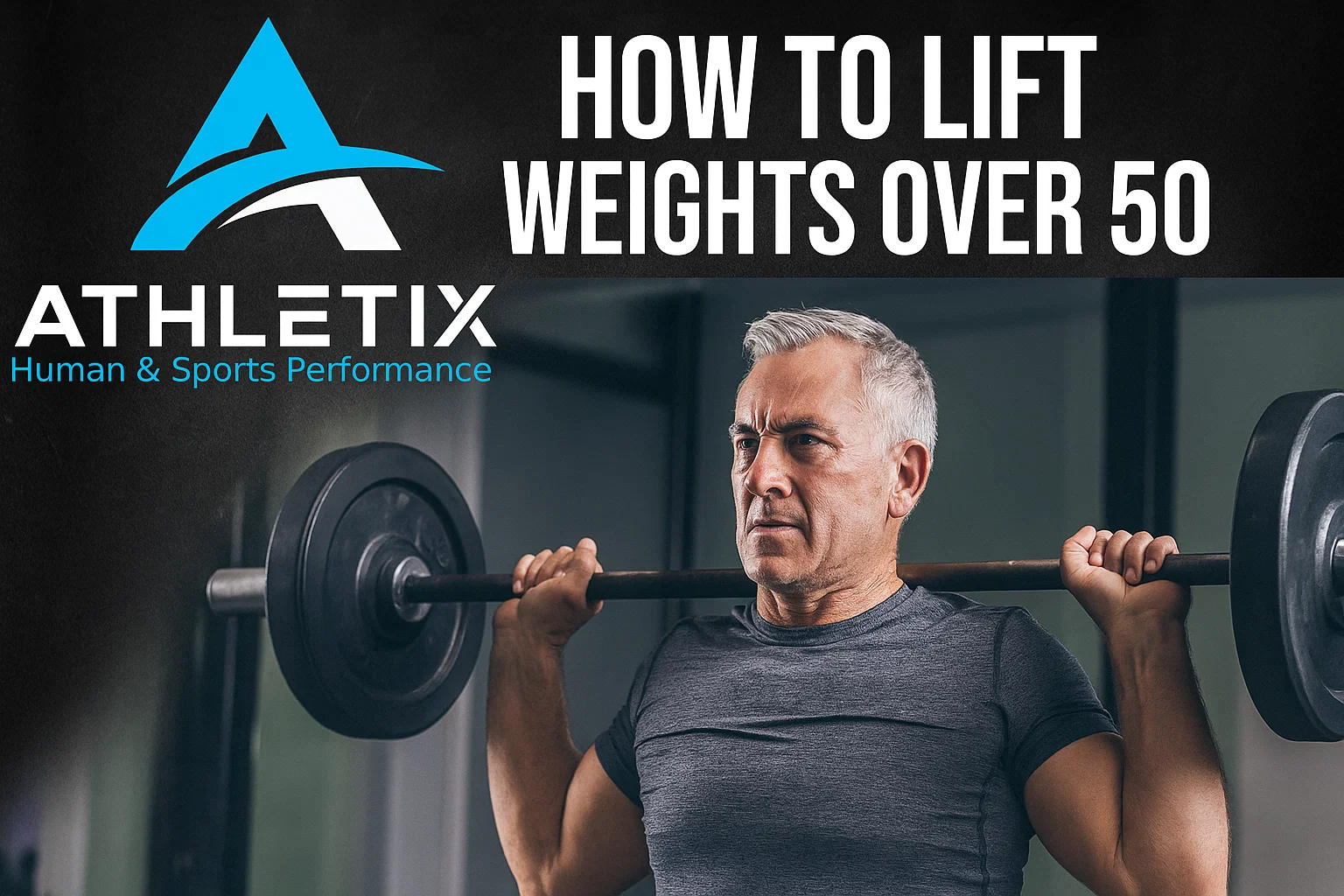
Turning 50 doesn’t mean slowing down—it means getting smarter about how you train. Strength training is one of the most powerful tools you have to maintain muscle, protect your bones, improve balance, and keep doing the things you love. The goal isn’t to “work out like you’re 20.” It’s to train in a way that fits your body now—progressive, joint-friendly, and focused on what moves the needle for strength, function, and longevity.
Below you’ll find clear principles, a simple starter plan, and form, recovery, and nutrition tips that make strength training safe and sustainable after 50. Where it matters, I’ve referenced evidence-based guidelines and position statements so you can feel confident you’re following best practice.
Why is strength training after 50 a must?
From your 40s onward, most people lose some muscle and strength each decade if they don’t train. That’s the fast-track to lower energy, slower metabolism, poor balance, and a higher risk of falls. The fix is straightforward: lift progressively. Resistance training increases strength, muscle mass, and functional capacity even in later decades—and it improves how confidently you move through daily life. Multiple systematic reviews and position statements agree on this.
Strength training also helps your bones. Higher-velocity and well-loaded resistance work can stimulate bone mineral density at the spine and hip—the areas most associated with serious fractures—particularly when you train consistently at least twice weekly. That’s a big deal for maintaining independence as you age.
How to Lift Weights Over 50 at Home?
Lifting weights over 50 at home can be both safe and highly effective if approached with the right strategy. As we age, muscle mass naturally declines, and strength training becomes essential for maintaining bone density, joint health, and overall mobility. The key is to focus on controlled movements, proper form, and moderate intensity rather than chasing heavy loads.
Start with light dumbbells, resistance bands, or even bodyweight exercises like squats, push-ups, and lunges. Consistency is more important than intensity, so aim for two to three sessions per week while allowing recovery days to prevent overtraining.
Warm-ups, stretching, and mobility drills should never be skipped, as they help reduce stiffness and lower the risk of injury. Additionally, compound movements such as deadlifts, rows, and presses should be prioritized because they strengthen multiple muscle groups simultaneously.
At home, a small set of weights, a yoga mat, and resistance bands can provide everything needed for a well-rounded strength routine. Most importantly, listen to your body—progress gradually, respect your limits, and consult a doctor if you have pre-existing conditions before starting any new fitness plan.
How often should you lift?
Frequency: Aim for 2–3 strength sessions per week on nonconsecutive days. Total-body or upper/lower splits both work; consistency wins. Public health guidelines for older adults call for at least two days of muscle-strengthening activities weekly, alongside aerobic and balance work.
Intensity: Work at a moderate to hard effort—enough that the last 1–2 reps of a set feel challenging with good form. If you use Ratings of Perceived Exertion (RPE), think RPE 6–8 out of 10 for most working sets. That typically lands around 60–80% of your one-rep max, or a weight you can lift for 6–12 reps with 1–3 reps “in reserve.”
Sets & reps: For most compound lifts, perform 2–4 sets of 6–12 reps. For smaller muscle groups or accessory work, 10–15 reps work well. Beginners can start with 1–2 sets and build up.
How to Start Weight Training at 50 for Women?

Starting weight training at 50 as a woman can be one of the most rewarding steps for your health, strength, and overall confidence. At this age, strength training becomes especially important because it helps combat natural muscle loss, supports bone density, and boosts metabolism.
The key is to begin slowly and safely, focusing on proper form rather than heavy weights. Start with light dumbbells, resistance bands, or even bodyweight exercises such as squats, wall push-ups, and lunges. Aim for two to three sessions per week, giving your muscles time to recover in between.
It’s also helpful to work with a trainer or follow guided beginner programs designed for women over 50, ensuring you avoid injury and build a solid foundation. Pairing weight training with warm-ups, stretching, and a balanced diet rich in protein will accelerate progress and improve energy. Remember, consistency matters more than intensity—start small, listen to your body, and gradually increase resistance as your strength improves.
How can you stay safe while lifting weights over 50 years old?
Staying safe while lifting weights over the age of 50 requires a smart and mindful approach to exercise. At this stage of life, joints, tendons, and muscles are often more vulnerable to strain, so proper warm-ups and stretching become essential before any workout. Start with lighter weights and gradually increase resistance to give your body time to adapt.
Always focus on maintaining good form rather than lifting heavy, as poor technique can lead to injuries. Listening to your body is key—if you feel pain (not just normal muscle fatigue), it’s a signal to stop and reassess. Incorporating rest days into your routine allows your muscles and joints to recover, reducing the risk of overuse injuries.
Additionally, consulting a doctor or fitness professional before starting or changing a weightlifting program ensures you’re training safely based on your health condition. With consistency, patience, and proper technique, weightlifting can be a safe and highly effective way to maintain strength, mobility, and overall health after 50.
Why Starting Lift Training After 50 Is Still Beneficial?
Beginning strength training after the age of 50 offers tremendous health and lifestyle benefits that go far beyond just building muscle. As we age, the body naturally experiences muscle loss (sarcopenia), slower metabolism, and reduced bone density. Lifting weights helps counter these effects by preserving lean muscle, increasing strength, and improving balance, which significantly lowers the risk of falls and injuries.
It also stimulates bone growth, reducing the likelihood of osteoporosis and fractures. Beyond the physical benefits, resistance training supports better posture, joint health, and mobility, making daily activities easier and more enjoyable.
Weight training after 50 also plays a key role in maintaining a healthy metabolism, which helps control body weight and manage conditions like type 2 diabetes, high blood pressure, and heart disease. It boosts mental health too, as exercise reduces stress, improves mood, and enhances cognitive function.
Importantly, it is never too late to start—whether you are a beginner or someone returning after years of inactivity, lifting weights at this stage of life can still bring remarkable improvements in strength, confidence, and independence. With proper guidance, safe techniques, and gradual progression, starting strength training after 50 can be one of the best investments you make for long-term health and vitality.
Common Mistakes to Avoid When Lifting Weights Over 50
One of the biggest mistakes people over 50 make when lifting weights is trying to train the same way they did in their younger years. As the body ages, recovery slows down, joints become more sensitive, and muscle elasticity decreases, so pushing too hard or lifting excessively heavy weights can quickly lead to injuries.
Another common error is skipping warm-ups and stretching, which are essential to keep the muscles and joints flexible. Many older adults also neglect proper form, thinking heavier loads matter more than controlled, safe movements—this can put unnecessary strain on the back, shoulders, and knees.
Overlooking rest days is another frequent mistake, as recovery is just as important as the workout itself for building strength. Finally, ignoring medical advice or not consulting a professional before starting a new weightlifting routine can be risky.
By focusing on proper technique, gradual progression, and balanced training, individuals over 50 can avoid these pitfalls and continue building strength safely.
Conclusion
Lifting weights after 50 is not about chasing maximum numbers—it’s about training smarter, protecting your body, and building strength that supports long-term health and independence. With the right approach, you can improve muscle mass, bone density, balance, and energy while reducing the risks of age-related decline. The key is consistency, proper form, gradual progression, and recovery. By avoiding common mistakes, listening to your body, and staying patient, you can make weight training a safe and sustainable part of your lifestyle. Ultimately, lifting weights over 50 isn’t just exercise—it’s an investment in living stronger, healthier, and more confidently for decades to come.
FAQS
FAQ 1: Do you need a personal trainer when starting weightlifting after 50?
While it’s not mandatory, working with a certified personal trainer can be extremely beneficial, especially in the beginning. A trainer can assess your mobility, strength, and posture, then create a personalized program that minimizes injury risk and builds confidence. Even a few sessions can help you learn proper form and technique, which is especially important if you’re new to lifting or returning after a long break.
FAQ 2: Is weightlifting safe if you have arthritis or joint pain?
Yes, strength training can actually help manage arthritis and joint discomfort when done correctly. Using light to moderate weights with controlled movements strengthens the muscles around your joints, providing better support and reducing stiffness. However, it’s essential to avoid high-impact lifts, sudden jerks, or overly heavy loads. Consulting a healthcare provider before starting is highly recommended if you have pre-existing joint conditions.
FAQ 3: Should older adults focus more on machines or free weights?
Both have benefits, but for those over 50, machines can be a safer starting point because they guide movement and reduce the risk of improper form. Free weights, however, engage stabilizing muscles, improving balance and coordination. A balanced program that uses both—starting with machines for beginners and gradually incorporating free weights—is often the most effective approach.
FAQ 4: How important is protein intake when lifting weights after 50?
Protein plays a crucial role in building and preserving muscle mass, which becomes harder to maintain as we age. Older adults should aim for roughly 1.2–2.0 grams of protein per kilogram of body weight daily, spread evenly across meals. Including high-quality protein sources such as lean meat, fish, eggs, beans, and dairy helps maximize recovery and muscle repair after workouts. Pairing strength training with adequate protein ensures you get the best results from your efforts.