How to Train for Longevity?

Longevity isn’t only about adding more years to your life—it’s about ensuring those extra years are filled with health, vitality, and independence. Training for longevity means creating a fitness routine that supports your body’s ability to stay strong, resilient, and adaptable as you age. Unlike high-intensity programs that may burn you out, longevity-focused training emphasizes balance, functional strength, mobility, endurance, and mental wellness.
This article explores how to train for longevity by integrating exercise science, lifestyle habits, and recovery strategies into your daily routine. You’ll learn not just how to stay fit, but how to thrive well into your 70s, 80s, and beyond.
What Is Longevity Training?
Longevity training is a style of exercise and lifestyle approach designed to extend not just your lifespan but also your healthspan—the number of years you remain healthy, strong, and independent.
Unlike programs focused purely on aesthetics or short-term performance, longevity training emphasizes sustainable habits that protect your body from age-related decline. It integrates strength training, cardiovascular fitness, mobility work, balance exercises, and recovery strategies to build resilience and vitality for the long term.
The goal of longevity training isn’t to push your body to extremes, but to create a balanced routine that supports joint health, muscle preservation, heart function, and mental well-being.
It also ties in with proper nutrition, stress management, and sleep, ensuring the body can recover and thrive. In simple terms, longevity training is about preparing your body and mind to function optimally well into your later years, so you can enjoy an active and fulfilling life without limitations.
Why Training for Longevity Matters?
Training for longevity isn’t merely about adding years to life—it’s about enriching them with strength, independence, and wellness. Regular exercise significantly lowers all-cause mortality and shields against chronic diseases like heart disease, diabetes, osteoporosis, and certain cancers. Strength training, in particular, builds muscle and bone density, improving posture and reducing the risk of frailty and injury, and has been associated with a 10–17% lower risk of early mortality.
Meanwhile, aerobic exercise enhances cardiovascular function, mental acuity, and metabolic health—boosting oxygen delivery, reducing blood pressure, and promoting cognitive wellness. Importantly, adopting a balanced regimen that includes strength, cardio, flexibility, and balance training supports long-term mobility and independence, ensuring not just a longer life but a fuller, more vibrant one.
What Exactly is Longevity Training?
Longevity training is a holistic approach to fitness designed not just to improve short-term performance but to extend the quality and length of life. Unlike traditional training programs that may focus solely on building muscle, losing fat, or achieving peak athletic performance, longevity training emphasizes sustainable health.
It combines strength training, cardiovascular conditioning, flexibility work, balance exercises, and recovery practices to keep the body functional, resilient, and strong well into older age. The goal is to maintain muscle mass, protect bone density, support heart health, and reduce the risk of chronic diseases such as diabetes, osteoporosis, and arthritis.
Longevity training also addresses mental well-being through practices like mindful movement, meditation, and stress management, since emotional health is closely tied to physical vitality. By adopting this type of training, individuals invest in a lifestyle that allows them to stay independent, active, and energetic for decades, ultimately promoting not just a longer life but a healthier, more fulfilling one.
How to Train for Longevity at Home?
Training for longevity at home is not only possible but highly effective, especially when designed around functional, low-cost, and sustainable exercises. You don’t need a gym full of machines to build strength, endurance, and mobility—your body weight, simple equipment like resistance bands, and a small space are enough.
Strength can be developed through push-ups, squats, lunges, planks, and chair dips, while balance training can be added with single-leg stands or heel-to-toe walking. For cardiovascular health, activities like brisk walking around the house, jump rope, stationary cycling, or even dance-based workouts provide excellent heart-boosting benefits.
Flexibility and mobility are equally important, so dedicating time to stretching, yoga, or foam rolling at home helps keep joints healthy and movements pain-free. Incorporating short but consistent routines—such as 20–30 minutes of exercise most days—makes it easier to stay committed. Pairing this with good sleep, mindful breathing, and proper nutrition creates a well-rounded, longevity-focused lifestyle without ever stepping outside your front door.
How to Train Females for Longevity?
Training for longevity as a woman requires a balanced approach that prioritizes strength, mobility, cardiovascular health, and recovery. Women naturally face hormonal shifts—such as menopause—that can affect bone density, muscle mass, and overall energy levels, making resistance training especially important.
Strength training with weights or bodyweight exercises helps preserve lean muscle and supports strong bones, reducing the risk of osteoporosis. In addition, incorporating low-impact cardiovascular activities like walking, swimming, or cycling improves heart health without placing excessive stress on the joints.
Flexibility and mobility work through yoga, Pilates, or dynamic stretching enhances posture, balance, and joint health, which are key to staying active and independent later in life. Recovery is equally vital—prioritizing sleep, proper nutrition rich in calcium, protein, and omega-3s, and stress management techniques like meditation ensure the body can repair and adapt.
For women, training for longevity is less about pushing maximum intensity and more about consistency, balance, and adapting exercise routines to support lifelong health and vitality.
Best Strength Exercises for Longevity

When training for longevity, strength exercises should focus on movements that build muscle, protect bones, and support balance and mobility for everyday life. The best approach is to choose compound exercises that target multiple muscle groups, while also including some functional movements to keep the body resilient with age. Here are some of the best strength exercises for longevity:
- Squats – Strengthens legs, glutes, and core while improving balance. Variations like bodyweight squats, goblet squats, or chair squats make it adaptable for all fitness levels.
- Deadlifts – Excellent for maintaining back, hip, and hamstring strength. Using dumbbells or kettlebells helps preserve posture and reduces injury risk.
- Push-ups – Build upper-body and core strength. It can be modified on the knees or done against a wall for beginners.
- Pull-ups or Assisted Rows – Supports back, shoulders, and grip strength, which are critical for posture and daily tasks.
- Lunges – Improves single-leg balance, coordination, and stability while strengthening legs and hips.
- Overhead Press – Enhances shoulder mobility and arm strength, keeping joints functional for lifting and reaching.
- Planks – Build core stability, support spine health, and reduce the risk of back pain.
- Hip Bridges – Activates glutes and hamstrings while stabilizing the lower back and pelvis.
- Farmer’s Carries – Carrying weights in each hand mimics real-life movements, improving grip, posture, and core stability.
- Step-ups – Strengthens legs and balance, while mimicking stair climbing—a vital daily activity as we age.
What are the Core Pillars of Longevity Training?
The core pillars of longevity training revolve around building strength, protecting the heart, maintaining mobility, and supporting recovery. Strength training is one of the most important foundations, as it preserves muscle mass, enhances bone density, and prevents age-related frailty.
Alongside this, cardiovascular conditioning plays a key role in keeping the heart, lungs, and circulatory system strong, ensuring energy and endurance for everyday life. Mobility and flexibility exercises, such as yoga or stretching, keep the joints healthy and reduce stiffness, making daily movement easier and safer.
Balance and stability training also stand as critical pillars, since they help prevent falls and injuries that often limit independence in later years. Recovery practices, including quality sleep, stress management, and mindful rest, allow the body to repair and adapt.
Finally, nutrition and lifestyle choices—like eating whole, nutrient-rich foods, staying hydrated, and fostering a positive mindset—form the glue that holds all other pillars together. When combined, these elements create a well-rounded system that supports long-lasting health, energy, and independence.
How Can You Structure a Longevity Training Week?
Designing a longevity-focused routine may feel overwhelming at first, but with a clear structure, it becomes manageable and sustainable. The goal isn’t short-term progress—it’s a lifelong practice to maintain strength, mobility, and vitality well into older age. Consistency and balance are the keys.
A weekly plan can be structured around these core elements:
- Strength Training: 2–3 sessions per week using full-body, compound movements such as squats, presses, rows, deadlifts, and push-ups to preserve muscle and bone health.
- Zone 2 Cardio: 3–4 sessions per week, 45–60 minutes each. Activities like walking, cycling, swimming, or rowing at a steady, moderate pace support heart and lung function.
- High-Intensity Training (VO₂ Max): 1 session per week with short, challenging intervals—for example, four minutes of effort followed by recovery, repeated four times—to build cardiovascular capacity.
- Stability and Mobility: Daily practice, 10–15 minutes, integrated into warm-ups, cool-downs, or morning routines to improve flexibility, balance, and joint health.
This balanced approach ensures strength, endurance, and mobility are all addressed while promoting recovery and long-term health. Frameworks like these, supported by leading longevity experts, highlight that the true focus isn’t just lifespan, but healthspan—the quality of life over the years.
Conclusion
Training for longevity is not about chasing short-term fitness trends—it’s about building a sustainable lifestyle that supports strength, energy, and independence well into later years. By combining strength training, cardiovascular conditioning, mobility, stability, and proper recovery, you create a balanced foundation that allows your body to thrive. Adding daily habits like mindful movement, stress management, and nutrient-rich eating further strengthens this framework. The key is consistency: small, steady efforts practiced week after week make the biggest difference over decades. Ultimately, longevity training helps you not just live longer, but live better—ensuring your 70s, 80s, and beyond are marked by vitality, resilience, and freedom of movement.
FAQS
- At what age should you start longevity training?
It’s never too early—or too late—to start. Beginning in your 20s or 30s builds a strong foundation, but even starting in your 50s, 60s, or beyond provides significant benefits. The key is tailoring intensity and exercise selection to your current fitness level and health status. - How much rest do you need when training for longevity?
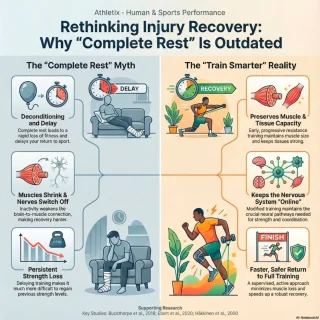
Recovery is as important as the workouts themselves. Most people benefit from 1–2 full rest or active recovery days per week, along with 7–9 hours of quality sleep each night. Adequate rest helps muscles repair, hormones rebalance, and the nervous system recover. - Can longevity training be done without a gym?
Yes—longevity training can be highly effective at home with minimal equipment. Bodyweight exercises, resistance bands, kettlebells, or even household items can provide the needed resistance. Walking, stair climbing, and yoga are also excellent no-gym options. - How do nutrition and hydration fit into longevity training?
Exercise is only one piece of the puzzle—nutrition and hydration are equally vital. Eating a balanced diet rich in protein, fiber, healthy fats, and micronutrients supports muscle preservation, bone strength, and recovery. Staying hydrated helps maintain joint lubrication, circulation, and overall energy levels.