
How to Return to Play After a Cricket Injury: The Complete Comeback Guide
Injuries are an unavoidable part of every cricketer’s journey. Whether you’re a fast bowler dealing with a shoulder strain, a batter struggling with a hamstring tear, or a fielder recovering from a finger fracture – setbacks happen. What truly defines a successful player is not whether they get injured, but how they recover and return stronger.
Coming back too quickly risks re-injury. Waiting too long can delay your career. The secret lies in following a structured, science-backed return-to-play process – the same system professional cricketers worldwide rely on to regain full form after an injury.
At Athletix Athletes Program, we believe every setback is an opportunity for a stronger comeback. This guide is your complete roadmap to recover safely, rebuild your performance, and step back on the field with confidence.
People Also Read: Runup speed fast Bowlers
Understanding Cricket Injuries: Types, Causes & Recovery Times
Before jumping into recovery strategies, it’s important to understand the types of injuries most common in cricket and how they affect your return timeline.
Common Cricket Injuries
- Hamstring strains: Caused by sprinting or sudden changes in direction. Recovery: 2–6 weeks.
- Rotator cuff injuries: Common in bowlers due to repetitive shoulder use. Recovery: 4–12 weeks.
- Lower back stress fractures: Frequent in fast bowlers from workload overload. Recovery: 8–16 weeks.
- Side strains: Often occur in bowlers during delivery. Recovery: 4–8 weeks.
- Finger injuries: Frequent in wicketkeepers and close fielders. Recovery: 2–4 weeks.

Note: Timelines vary depending on injury severity, age, fitness, and rehabilitation quality. Always follow medical guidance rather than rushing based on averages.
Phase 1: Immediate Response – First 48 Hours After Injury
The first 48 hours after a cricket injury are crucial. What you do here can dramatically influence how quickly and safely you return to the field.
What You Should Do
- Stop immediately: Never try to “push through” the pain – it can turn a minor injury into a major one.
- R.I.C.E. Protocol: Rest, Ice, Compression, Elevation help reduce swelling and internal bleeding.
- Seek professional evaluation: Early diagnosis by a sports doctor or physiotherapist ensures proper treatment.
Common Mistakes to Avoid
- Continuing to train or play
- Self-medicating without diagnosis
- Ignoring swelling or bruising
Early medical attention often shortens recovery time and prevents chronic issues.
Phase 2: Medical Assessment & Treatment
Once the initial pain subsides, professional assessment is essential. Even if you “feel fine,” hidden tissue or ligament damage can worsen if untreated.
What This Phase Involves
- Diagnosis: X-rays, MRIs, or ultrasound scans to confirm injury type and severity.
- Treatment plan: May involve physiotherapy, medication, bracing, or in rare cases, surgery.
- Activity restrictions: Your doctor will outline what movements to avoid early on.
💡 Don’t skip this step. Self-diagnosis leads many cricketers back to the injury bench within weeks.
Phase 3: Controlled Rest and Early Recovery
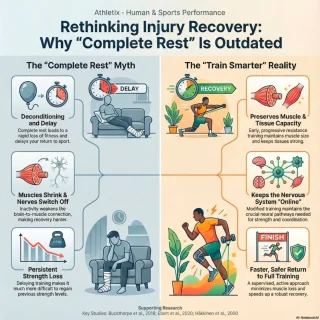
Rest is essential, but total inactivity can actually slow recovery. The goal here is controlled rest – protecting the injury while keeping your body active.
Key Strategies
- Active rest: Gentle movements that don’t aggravate the injury (like walking or light stretching).
- Nutrition: Prioritize protein for muscle repair, omega-3s for inflammation reduction, and vitamins C & D for tissue healing.
- Hydration: Crucial for joint health and nutrient transport.
- Sleep: 8–9 hours a night accelerates the body’s natural repair processes.
💡 Pro Tip: Stay mentally engaged – watch match footage, analyze your technique, and visualize your comeback.
Phase 4: Rehabilitation & Physiotherapy
Rehabilitation is where real recovery begins. Physiotherapy helps restore strength, mobility, balance, and coordination – all essential before returning to cricket.
Stages of Rehab
- Mobility & Range of Motion: Gentle movements to regain flexibility.
- Strength Building: Resistance bands, light weights, and bodyweight exercises.
- Functional Movement: Sport-specific drills mimicking cricket actions.
Example Rehab Exercises
- Hamstring injuries: Glute bridges, eccentric hamstring curls.
- Shoulder injuries: External rotations, scapular stability work.
- Lower back: Bird-dogs, planks, pelvic tilts.
💡 Always follow your physio’s progression plan. Skipping steps can lead to re-injury.
Phase 5: Return-to-Training Progression
Once strength and mobility return, it’s time to reintroduce cricket-specific movements – gradually. This phase bridges rehab and real match readiness.
Step-by-Step Return Progression
- Light skill drills: Shadow batting, light bowling with reduced intensity.
- Controlled net sessions: Bat or bowl under low-pressure conditions.
- Partial match simulations: Fielding drills, throwdowns, and match scenarios at reduced intensity.
- Full training sessions: Back to pre-injury intensity but still in a controlled environment.
📊 Tip: Keep a training log – track pain levels, range of motion, and performance indicators.
Phase 6: Sport-Specific Return to Play
Before stepping into a real match, your body must be ready for the demands of cricket. This phase mimics match conditions as closely as possible.
- Match simulation: Full-speed drills, overs, batting sessions, and fielding movements.
- Workload management: Gradually build volume – e.g., bowl 4 overs → 6 overs → 8 overs.
- Reaction training: Improve decision-making and reflexes with fielding drills and reaction ball work.
- Fitness testing: Strength, sprint, and endurance benchmarks should match or exceed pre-injury levels.
💡 Many pros spend 2–4 weeks in this phase even after being “medically cleared.”
Phase 7: Mental Recovery – Regaining Confidence After Injury
One of the most overlooked parts of returning from injury is the mental side. Fear of re-injury and loss of confidence can limit your performance even when your body is ready.
Mental Recovery Tips
- Visualization: Mentally rehearse batting, bowling, or fielding successfully.
- Gradual exposure: Start with low-pressure drills and build up to competitive matches.
- Work with a sports psychologist: They can help reframe fear and rebuild confidence.
- Set small goals: Achieving milestones boosts motivation and reduces anxiety.
💡 Remember: Mental readiness is just as important as physical readiness.
🛡️ Prevention: How to Avoid Future Injuries
Returning to cricket is just the beginning — preventing the next injury is the real goal. Most re-injuries happen because players neglect prevention once they feel “fine.”
✅ Prevention Strategies
- Structured warm-ups and cool-downs: Always prepare your muscles and joints.
- Strength & mobility work: Maintain core strength and joint stability.
- Workload monitoring: Especially crucial for fast bowlers — follow gradual increases in overs and intensity.
- Recovery rituals: Ice baths, foam rolling, hydration, and proper sleep.
- Technique refinement: Poor technique often causes overuse injuries.
💡 Pro Tip: Keep strength and conditioning as a permanent part of your routine — not just during rehab.
🚨 When to Consult a Specialist Again
Even after returning to play, you must stay alert for warning signs. These include:
- Persistent pain beyond normal soreness
- Swelling or reduced range of motion
- Weakness or instability
- Sharp pain during specific movements
If any of these occur, stop immediately and consult your physio or sports doctor. Early intervention can prevent long-term damage.
🏁 Final Thoughts: Come Back Stronger, Not Just Sooner
Every cricketer, from beginners to international stars, faces injuries at some point. What separates champions from the rest is how they handle those setbacks. Returning too quickly can undo months of progress, but with a structured recovery plan — one that includes medical care, rehab, progressive training, mental conditioning, and injury prevention — you can return fitter, stronger, and smarter than before.
At Athletix, we believe injuries are not the end — they’re just a pause. Use this time to rebuild your body, sharpen your mind, and study your game. Because the comeback, if done right, is always stronger than the setback.
Final FAQs – Returning to Play After a Cricket Injury
Q: How long does it take to return to cricket after an injury?
A: Recovery time depends on the type and severity of the injury. Minor strains can heal within 2–4 weeks, while more serious injuries like stress fractures or rotator cuff tears may require 8–16 weeks or longer. Always follow a physiotherapist’s guidance before resuming play.
Q: How to recover after a cricket game?
A: Post-match recovery is crucial. Focus on rehydration, stretching, and a balanced meal rich in protein and carbohydrates. Cold showers or ice baths reduce inflammation, while light mobility exercises and quality sleep help the body repair faster.
Q: Can an injured player return in cricket?
A: Yes, but only if the injury is minor and a medical professional deems it safe. For moderate to severe injuries, a structured rehab and return-to-play plan must be followed before returning to competitive action.
Q: What are the criteria for return to play after an injury?
A: Key criteria include full range of motion, pain-free performance, strength close to pre-injury levels, and the ability to complete cricket-specific tasks (bowling, batting, sprinting) without discomfort. Passing functional tests under supervision is also essential.
Q: How long does a side strain take to heal in cricket?
A: Most side strains take about 4–8 weeks to heal, depending on severity. Mild cases may resolve faster, but severe strains can take longer and require a gradual return-to-bowling program.
Q: What is the most common injury in cricket?
A: Hamstring strains, side strains, shoulder injuries, and lower back stress fractures are among the most common. Fast bowlers are particularly prone to back and shoulder issues due to repetitive stress.
Q: What exercises help a side strain?
A: Gentle core strengthening and mobility exercises like pelvic tilts, side planks, and thoracic rotations are effective. Progress to resisted trunk rotations and stability work under the guidance of a physiotherapist as healing advances.
Q: How do I overcome fear of re-injury?
A: Gradual return to training, visualization techniques, and working with a sports psychologist help rebuild confidence. Start with low-intensity drills and increase intensity as your strength and mobility improve.
Q: What should I eat to recover faster from an injury?
A: Include lean proteins (chicken, fish, eggs), anti-inflammatory foods (berries, turmeric, leafy greens), and plenty of water. Nutrients like vitamin C, zinc, and collagen are also crucial for tissue healing.