
Can You Do Sprint Training Every Day?
Sprint training is one of the most intense and effective forms of exercise. It helps build explosive power, improve cardiovascular endurance, and burn fat rapidly. However, many fitness enthusiasts and athletes wonder whether sprinting every day is safe or even effective. Sprinting puts a tremendous load on your muscles, joints, and nervous system. Understanding the risks, benefits, and proper training strategies is essential before committing to daily sprint workouts.
This article will explore the science behind sprint training, the risks of overtraining, strategies for recovery, and safe ways to include sprints in your weekly routine. We will also cover variations, benefits, and a sample sprint training schedule.
What Is Sprint Training?
Sprint training is a high-intensity form of exercise that focuses on short bursts of maximum effort running or cycling, usually lasting from 10 seconds to a few minutes, followed by periods of rest or low-intensity recovery. Unlike steady-state cardio, sprint training emphasizes explosive speed, power, and anaerobic conditioning.
This type of training not only improves cardiovascular fitness but also enhances muscular strength, coordination, and metabolic efficiency. Athletes often use sprint training to increase performance in sports that require quick acceleration and agility, while fitness enthusiasts adopt it for its ability to burn calories rapidly and boost endurance.
The combination of high intensity and brief recovery makes sprint training highly effective for improving both speed and overall physical conditioning.
Importance of Recovery in Sprint Training
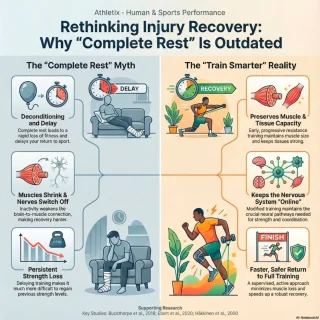
Recovery is a critical component of sprint training that directly influences performance, adaptation, and injury prevention. Sprinting places intense demands on muscles, joints, and the nervous system, and without adequate recovery, the body cannot fully repair the microtears in muscle fibers caused by high-intensity efforts.
Proper rest allows muscles to rebuild stronger, enhances energy system replenishment, and reduces the risk of overtraining, which can lead to fatigue, decreased speed, and poor sprint mechanics. Recovery strategies such as sleep, active recovery sessions, stretching, foam rolling, and nutrition are essential to optimize performance.
Additionally, recovery helps maintain mental focus and motivation, allowing sprinters to train at maximum intensity during each session. Athletes who prioritize recovery can achieve faster acceleration, improved stride efficiency, and more consistent results on the track, making it as vital as the sprint training itself.
How many days a week should you do sprint training?
The number of days you should do sprint training depends largely on your fitness level, goals, and recovery capacity. For beginners, 1–2 sprint sessions per week are sufficient to build speed, improve form, and reduce the risk of injury. Intermediate athletes can safely perform 2–3 sessions per week, allowing for adequate recovery while progressively increasing intensity and distance.
Advanced athletes or those training for competitive events may incorporate 3–5 sprint sessions weekly, but these sessions are usually varied in intensity and distance to prevent overtraining. Rest and recovery days are crucial because sprinting places significant stress on muscles, joints, and the nervous system. Including at least one full rest day or active recovery day between high-intensity sprint sessions helps optimize performance, prevent injuries, and ensure continued progress.
Factors Affecting Sprinting Training
Sprint training effectiveness depends on multiple factors that influence performance, recovery, and overall results. Understanding these factors is crucial for designing an efficient sprint program and avoiding injury.
- Training Frequency and Volume – How often and how much you train directly affects your progress. Overtraining can lead to fatigue and injury, while insufficient training may limit improvements in speed and power. Sprint sessions are typically performed 2–4 times per week with controlled volume to allow proper recovery.
- Intensity – Sprinting relies on maximal effort to stimulate fast-twitch muscle fibers. Low-intensity sprinting will not produce the same explosive strength and anaerobic benefits, so maintaining proper intensity during each session is critical.
- Rest and Recovery – Adequate rest between sprints and training sessions allows muscles to repair and energy systems to replenish. Insufficient recovery can impair performance and increase the risk of injury.
- Technique and Form – Proper sprinting mechanics, including stride length, arm movement, and posture, significantly impact speed and efficiency. Poor technique can reduce performance and lead to strain or injury.
- Nutrition and Hydration – Sprinting requires high energy output. A balanced diet rich in carbohydrates, proteins, and electrolytes supports muscle function and recovery. Dehydration or poor nutrition can hinder performance and slow progress.
- Environmental Conditions – Factors like track surface, weather, and altitude can influence sprinting performance. Training on uneven or slippery surfaces increases injury risk, while high temperatures or humidity may affect endurance and recovery.
- Strength and Conditioning – Lower body strength, core stability, and overall muscular power enhance sprint performance. Incorporating resistance training, plyometrics, and mobility exercises can improve acceleration, speed, and injury resilience.
By carefully considering and managing these factors, athletes and fitness enthusiasts can maximize the benefits of sprint training while minimizing the risks.
Role of Strength Training in Sprint Performance

Strength training plays a crucial role in enhancing sprint performance by improving the power, speed, and efficiency of an athlete’s movements. Sprinting is not solely about leg speed; it requires explosive force generation, which comes from strong muscles in the legs, core, and even upper body.
Exercises such as squats, deadlifts, lunges, and plyometric drills help develop the fast-twitch muscle fibers essential for rapid acceleration and maintaining top-end speed. Additionally, strength training improves muscular endurance and joint stability, reducing the risk of injuries during high-intensity sprints.
Stronger muscles also allow athletes to apply greater force against the ground with each stride, leading to longer and more powerful steps. Over time, consistent strength training contributes to better sprint mechanics, quicker reaction times, and overall improved athletic performance on the track.
Benefits of Sprint Training Every Day
Engaging in sprint training daily can offer a range of physical, metabolic, and mental benefits when managed correctly. Sprinting is a high-intensity, short-duration activity that challenges the cardiovascular system, muscles, and nervous system, promoting overall fitness and performance improvements.
- Improved Cardiovascular Health – Daily sprinting stimulates the heart and lungs, enhancing oxygen delivery and increasing cardiovascular efficiency. Over time, this can reduce the risk of heart disease and improve endurance for other physical activities.
- Increased Muscle Strength and Power – Sprinting recruits fast-twitch muscle fibers, which are responsible for explosive movements. Daily practice can enhance leg strength, hip flexibility, and core stability, improving athletic performance and functional strength.
- Enhanced Metabolic Rate – Sprinting is highly effective for boosting metabolism. Performing sprints daily can increase calorie burn both during and after workouts due to the afterburn effect (EPOC), helping with weight management and fat loss.
- Improved Insulin Sensitivity – High-intensity sprinting helps regulate blood sugar levels, improving insulin sensitivity and reducing the risk of type 2 diabetes. Daily activity reinforces these metabolic benefits.
- Mental Resilience and Focus – Sprint training requires mental discipline and focus due to its intensity. Regular sessions strengthen willpower, concentration, and stress management, which can positively impact overall well-being.
- Enhanced Speed and Athletic Performance – Frequent sprinting improves neuromuscular coordination, stride efficiency, and reaction time, making athletes faster and more agile in sports and daily movements.
- Time Efficiency – Because sprinting is a short, intense activity, even daily sessions can fit into a busy schedule while delivering significant fitness results compared to longer-duration, moderate-intensity workouts.
However, sprint training every day should be approached carefully. Adequate recovery strategies, proper warm-ups, and listening to your body are essential to prevent overtraining, fatigue, and injury. Alternating sprint intensity or combining with low-impact training can help maintain consistency without compromising safety.
Sprint training for success
Sprint training is a cornerstone for athletes aiming to maximize speed, power, and overall performance. Success in sprinting does not come from talent alone—it requires a structured approach that balances technique, intensity, and conditioning. Effective sprint training focuses on developing explosive starts, acceleration, and maintaining top-end speed, all while enhancing muscular strength and neuromuscular coordination.
Incorporating drills such as short sprints, resisted sprints, and interval training ensures the body adapts to high-intensity demands and improves both fast-twitch muscle fiber recruitment and stride efficiency. Beyond physical conditioning, sprint training for success emphasizes mental preparation, discipline, and goal setting, which are crucial for pushing limits during competition.
Athletes who combine precise training methods with proper nutrition, recovery, and injury prevention strategies consistently outperform those who rely solely on natural speed. Ultimately, sprint training is not just about running fast—it is about building the physical and mental foundation for long-term athletic success.
Conclusion
In conclusion, sprint training is a powerful tool for improving speed, strength, and overall athletic performance, but it must be approached with balance and strategy. While the benefits of sprinting are undeniable—from enhanced cardiovascular health and muscle power to improved metabolism and mental resilience—training every day without proper recovery can lead to burnout or injury. Success in sprinting comes from combining high-intensity workouts with strength training, recovery techniques, proper nutrition, and disciplined practice. Whether you are an athlete aiming for peak performance or a fitness enthusiast looking to boost endurance and burn fat, sprint training can be transformative when done correctly. By listening to your body, adjusting frequency, and maintaining consistency, you can unlock your full sprinting potential and achieve long-term results safely and effectively.
FAQS
- Is sprint training better than long-distance running for fitness?
Sprint training and long-distance running serve different purposes. Sprinting focuses on explosive power, speed, and anaerobic conditioning, while long-distance running builds endurance and cardiovascular capacity over time. Sprinting is better for fat loss, muscle building, and improving fast-twitch muscle fibers, whereas long-distance running is ideal for stamina and heart health. The choice depends on your fitness goals, though many athletes benefit from combining both. - Can sprint training help with weight loss?
Yes, sprint training is highly effective for weight loss due to its high-intensity nature. It triggers the “afterburn effect” (excess post-exercise oxygen consumption), which means your body continues to burn calories even after the workout ends. Sprinting also builds lean muscle mass, which increases resting metabolic rate, making it easier to maintain long-term fat loss compared to steady-state cardio alone. - Do you need special equipment for sprint training?
No special equipment is required for sprint training, but having the right environment and gear enhances performance and safety. A flat track, treadmill, or open field is sufficient for sprints. Supportive running shoes that reduce impact on joints are recommended, and resistance bands, weighted vests, or sleds can be added for advanced sprint variations to increase power and speed. - How long should a sprint training session last?
A typical sprint training session lasts between 20 to 40 minutes, depending on the intensity and recovery periods. Since sprinting is highly demanding, most sessions involve 6–10 sprints of 10–60 seconds each, interspersed with rest intervals. Sessions are short but intense, making them more time-efficient than traditional cardio workouts. - Can beginners start sprint training safely?
Yes, beginners can safely start sprint training, but they should ease into it with shorter distances and longer rest intervals. Starting with 1–2 sessions per week is ideal, focusing on form and gradually increasing intensity. Beginners should also build a base of general fitness, including jogging, strength training, and mobility exercises, before advancing to full-intensity sprints. - Does sprint training improve performance in other sports?
Absolutely. Sprint training enhances explosive power, acceleration, agility, and endurance—all of which are vital for sports like football, basketball, tennis, and soccer. Athletes in these sports often incorporate sprint drills to improve quick bursts of speed, reaction time, and stamina, giving them a competitive edge in performance.