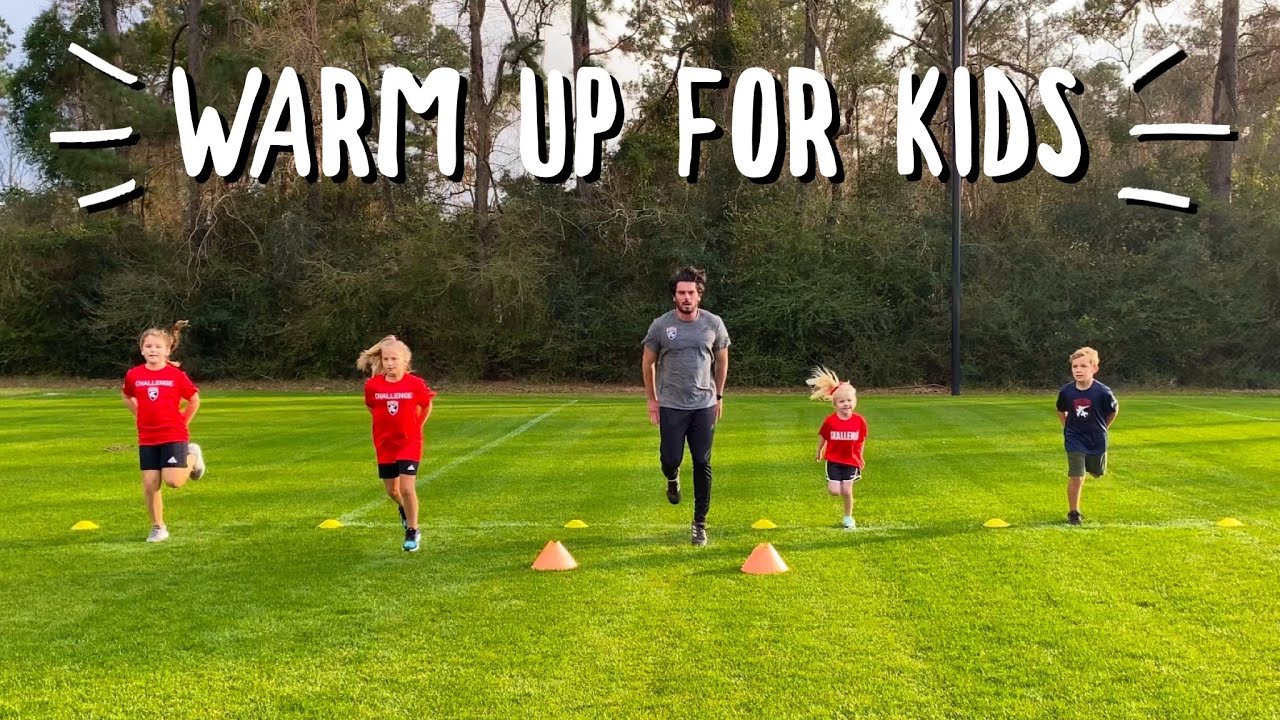
If you coach or parent young athletes, you’ve probably seen it, the glazed-over eyes during “zombie” warm ups… where everyone does the same structured approach.
What works for adults doesn’t always cut it for kids, especially if under the age of 13.
When it comes to youth strength and conditioning and development, warm-ups need to do more than just “get them loose.” They need to engage, challenge, and connect. That’s where game-based warm-ups shine.
At Athletix we are always keen to experiment ways to get our younger movers keen to train and have a positive association with physical activity and related activities.
Our coach Mico is working hard to push this part of the narrative and educate on how to best implement this way of engaging the younger audience: you’ll see how a smart warm-up, disguised as play, delivers far more than just movement prep (check his Instagram post here too)
Variety Keeps Kids Engaged Kids thrive on change. Repeating the same lines, drills, or static stretches is a recipe for boredom. Injecting games and variety keeps young athletes mentally present and physically active. Attention goes up, so does effort.
Competition Fuels Effort Want kids to move with intent? Make it a challenge. Add a task, a winner, a timer. Suddenly, effort skyrockets. You won’t need to ask them to hustle, they’ll do it on their own. That’s self-driven motivation at work.
Games Build Smarter Movers Game-based warm-ups ask kids to think on their feet, literally. They react, adapt, and move in diverse ways, improving coordination, spatial awareness, and overall movement intelligence. You’re not just warming them up, you’re developing their long-term athletic potential.
Social Skills Are Strengthened Too Warm-ups are more than physical prep, they’re a social space. Games promote interaction, teamwork, and peer connection. For many kids, this is where confidence grows and team culture takes root.
Why It Matters
This kind of warm-up isn’t just more fun, it’s more effective. It creates better movers, stronger teams, and more positive sporting experiences.
And guess what? Coaches in elite teams are also integrating this style of warm up to get the most out of their athletes.
If you’re coaching youth or supporting your child through sport, don’t overlook the power of purposeful play. It’s one of the simplest and smartest ways to build long-term athletic development from the ground up.
Let the play do the prep.
Warm-Up Exercises for Kids Before Sprinting
Proper warm-up exercises are essential for preparing kids for sprinting, as they help increase blood flow, flexibility, and overall readiness. Here are some fun and effective warm-up exercises:
Dynamic Stretching: Start with leg swings, arm circles, and high knees to loosen up muscles. Dynamic stretching helps improve flexibility and mobility, which are crucial for sprinting.
Butt Kicks: While jogging in place, kids kick their heels up toward their glutes. This warms up the hamstrings and activates the muscles used in sprinting.
Lunges: Forward and lateral lunges help improve hip flexibility and engage the legs. Encourage kids to perform lunges slowly and with good form.
Skipping: Skipping for about 20-30 seconds increases coordination, flexibility, and engages the glutes, hamstrings, and calves, all of which are essential for sprinting.
Bounding: Have kids leap forward with each step, focusing on long, powerful strides. Bounding helps develop strength and power in the legs.
Carioca Drill: A sideways shuffle drill that helps increase agility and hip rotation. It’s great for loosening up the hips and warming up the lower body.
Jogging: Light jogging for 5-10 minutes gradually increases heart rate and body temperature, preparing muscles for more intense movements like sprinting.
These warm-up exercises ensure kids are properly prepared for sprinting by improving flexibility, strength, and muscle activation, helping prevent injuries and enhancing performance.
Fun Warm-Up Games to Energize Your Football Training Session
Starting a football training session with engaging warm-up games can boost energy, improve team bonding, and prepare players physically for the drills ahead. Games like “Sharks and Minnows” encourage quick direction changes, agility, and acceleration. “Tag Variations”, where players must dodge or tag each other, help improve footwork and reaction time. “Relay Races” are perfect for enhancing speed and teamwork, while “Juggling Circles” focus on ball control and coordination. “Cone Weaving” increases agility and dribbling skills as players navigate cones at varying speeds. Additionally, games like “Keep-Away” or “4v4 Small-Sided Games” promote tactical awareness and passing accuracy. Incorporating fun activities like “Freeze Tag” or “Football Simon Says” helps kids improve their focus and listening skills while staying active. These warm-up games not only get the heart rate up but also set a positive, energetic tone for the rest of the football training session.
Creative PE Warm-Up Game Ideas
Warm-up games in Physical Education (PE) are a great way to get students energized and ready for more intense physical activity. Here are some fun and effective warm-up game ideas for PE classes:
Fruit Salad: Have students stand in a circle and assign each one a fruit name (e.g., apple, banana, orange). When the teacher calls out a fruit, those students must run to a designated area. When “fruit salad” is called, everyone must run around and switch spots, promoting quick movement and agility.
Freeze Dance: Play music while students dance around. When the music stops, they must freeze in place. This game helps with balance, coordination, and listening skills.
Animal Races: Assign each student an animal (e.g., frog, bear, crab). As they race to a finish line, they must move like that animal, helping to engage different muscle groups and improve flexibility and strength.
Relay Races: Set up a relay race course where students must pass a baton or complete a task like hopping, skipping, or crawling. This game helps build teamwork, speed, and coordination.
Capture the Flag: Split students into teams and have them try to capture the opposing team’s flag while avoiding being tagged. This game is great for improving speed, strategy, and teamwork.
Simon Says: A classic game where students must follow instructions only when the teacher says, “Simon says.” This game helps improve listening skills and coordination.
Sharks and Minnows: One or two students are “sharks” while the rest are “minnows.” Minnows must run from one side of the field to the other without getting tagged by a shark. It’s an excellent way to practice agility and quick directional changes.
Hula Hoop Pass: Students form a circle and pass a hula hoop around the circle without breaking hands. This game encourages teamwork and improves flexibility and coordination.
Tug-of-War: A fun and competitive game where two teams pull on opposite ends of a rope. It helps build strength, teamwork, and endurance.
Four Square: Using a ball, students pass it among four squares, ensuring the ball doesn’t bounce out. This game works on hand-eye coordination and teamwork.
These warm-up games are designed to keep students engaged while helping them build essential physical skills like agility, strength, balance, and coordination.
Effective Warm-Up Exercises for Youth Athletes
Warm-up exercises are essential for youth athletes to prepare both physically and mentally for sports activities. These exercises increase heart rate, improve flexibility, and reduce the risk of injury. Starting with dynamic stretching such as leg swings, arm circles, and high knees helps to engage muscles and improve flexibility. Simple exercises like jumping jacks and high knees warm up the entire body, enhancing cardiovascular endurance and activating the leg muscles. Lunges help to improve flexibility in the hips and legs, while butt kicks target the hamstrings. Shuffling side-to-side enhances hip mobility and agility, which is important for most sports. Arm swings are great for warming up the shoulders and upper body, especially for activities requiring arm movement. For more sport-specific preparation, cone drills and tag games like freeze tag or sharks and minnows improve agility, coordination, and reaction time in a fun, engaging way. These warm-ups ensure youth athletes are ready for action while minimizing the risk of injury.
Fun Warm-Up Activities for the Classroom
Warm-up activities in the classroom are a great way to help students transition from a sedentary state to a more active, focused learning mode. These activities not only engage students physically but also improve concentration and reduce restlessness. Dynamic stretching exercises such as arm circles, leg swings, and neck rolls can help loosen up the body and increase blood flow. Jumping jacks or a quick round of high knees are excellent for getting the heart rate up and energizing the class. For a bit of fun, Simon says or freeze dance can be incorporated, allowing kids to follow instructions while staying active. Shuffling games where students move side-to-side in place or butt kicks help warm up the legs and improve coordination. Stretching games such as reach for the sky or touch your toes encourage flexibility while maintaining a relaxed atmosphere. Group movements like walking in place or standing stretches also provide a good opportunity for students to shake off any tension. These warm-up activities are designed to engage students in a fun, interactive way, helping them focus better and get ready for the lesson ahead.
FAQs on Game-Based Warm-Ups for Youth Sports
What are game-based warm-ups for youth sports? Fun, interactive activities that prepare kids physically while promoting skills like agility and teamwork.
Why should youth sports use game-based warm-ups? They engage kids, improve motor skills, and make warm-ups more enjoyable.
How do game-based warm-ups improve athletic performance? They enhance coordination, agility, and reaction time, all important for sports.
What are some examples of game-based warm-ups? Sharks and Minnows, Freeze Tag, and Relay Races are common examples.
Are game-based warm-ups suitable for all age groups? Yes, they can be adapted for various age groups with different difficulty levels.
How long should a game-based warm-up last? 10-15 minutes is typically enough to get the body warmed up.
Can game-based warm-ups help reduce injuries? Yes, they improve flexibility, strength, and coordination, reducing injury risk.
What benefits do game-based warm-ups offer over traditional warm-ups? They’re more engaging, promoting teamwork and improving agility and endurance.
How do game-based warm-ups improve team bonding? They encourage cooperation, communication, and trust-building among teammates.
What is the role of fun in game-based warm-ups? Fun keeps kids motivated and excited, making warm-ups enjoyable and effective.
Can game-based warm-ups be adapted for different sports? Yes, they can be tailored to specific skills needed for any sport.
How do game-based warm-ups enhance agility? Games like Cone Drills help improve quick direction changes and footwork.
Are there any specific game-based warm-ups for developing speed? Relay races and sprinting games are great for improving speed.
How do game-based warm-ups improve focus in youth athletes? They keep kids engaged and mentally prepared for the upcoming activity.
Can game-based warm-ups improve sports-specific skills? Yes, they help develop relevant movements for various sports in a fun setting.
What role do reaction drills play in game-based warm-ups? They improve reaction time, coordination, and quick thinking.
Can game-based warm-ups be competitive? Yes, adding competition like team challenges can motivate kids and make warm-ups more exciting.
How do game-based warm-ups improve overall fitness? They increase heart rate, stamina, and coordination, preparing kids for physical activity.
Can game-based warm-ups be used with other warm-up techniques? Yes, they can be combined with dynamic or static stretching for a balanced warm-up.
How do game-based warm-ups help with skill development? They allow kids to practice sports-related skills in a relaxed, fun environment.
What are classroom warm-up activities? They are fun physical exercises to help students get energized and focused before learning.
Why are warm-up activities important in the classroom? They help students transition from sitting to active engagement, improving focus and reducing restlessness.
How long should a classroom warm-up last? Typically, 5-10 minutes is ideal to get students active without taking too much time from lessons.
What is a good warm-up for young students? Simple activities like jumping jacks, high knees, and Simon says work well for younger students.
Can stretching be part of the classroom warm-up? Yes, light stretches like arm circles and neck rolls can help improve flexibility and blood flow
Conclusion
Game-based warm-ups for youth sports are a fun, effective way to prepare young athletes for physical activity. By incorporating engaging games, these warm-ups not only improve physical fitness, agility, and coordination but also foster teamwork and focus. They make the warm-up process enjoyable, keeping kids motivated and excited to participate. Additionally, game-based warm-ups help reduce the risk of injury, enhance sport-specific skills, and improve overall athletic performance. Whether it’s through simple activities like Relay Races or more complex drills, these dynamic exercises are a great way to ensure kids are physically and mentally ready for their sports activities.