
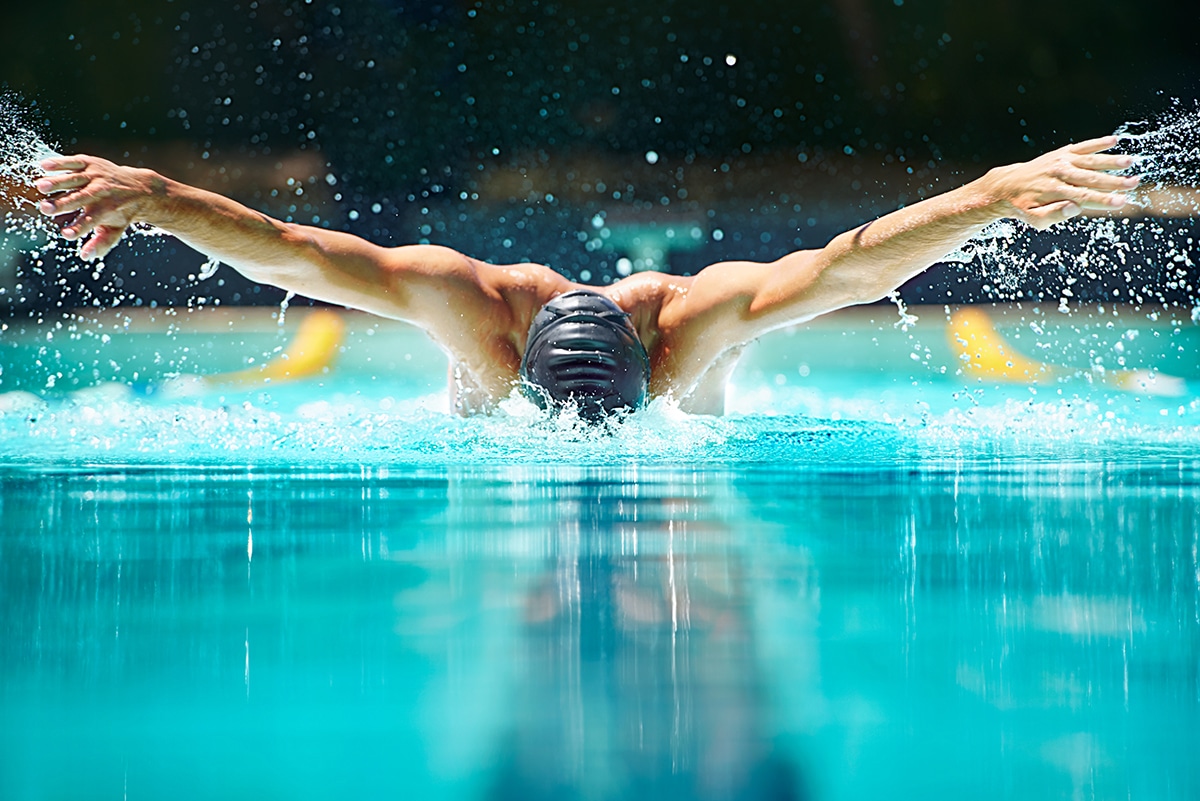
6 Best Shoulder Mobility Exercises and Stretches for Swimmers for Performance & Injury Prevention
Swimming is a sport that relies heavily on shoulder mobility, yet many swimmers—whether amateurs, youth athletes, or older adults who take up swimming for fitness—often have limited access to gym facilities or technical support. This can lead to soreness and even injuries, particularly in the shoulders, due to a lack of joint stability and muscle support. Addressing these challenges with simple yet effective mobility exercises can make a significant difference.
The exercises below are selected to enhance shoulder mobility, strength, and control without the need for complex equipment. They aim to boost performance while minimizing the risk of injury, making them suitable for swimmers with limited resources.
Scapular Mobility Exercises: Enhancing Shoulder Function and Flexibility
Scapular mobility exercises are essential for improving shoulder function and flexibility, as the scapula (or shoulder blade) plays a crucial role in the proper movement of the arm and upper body. When the scapula is restricted or tight, it can lead to discomfort, reduced range of motion, and even injuries, especially for athletes or those engaging in activities requiring overhead motions.
A well-rounded approach to scapular mobility exercises can help alleviate tension, increase flexibility, and promote better posture. One effective exercise is scapular push-ups, where the focus is on moving the shoulder blades in a controlled manner by lowering the chest toward the ground and then pushing through the hands to separate the shoulder blades. This targets the muscles around the scapula, such as the serratus anterior, and improves both strength and mobility.
Another great exercise for scapular mobility is the wall angel, which helps enhance posture and shoulder flexibility. By pressing your back, head, and arms against a wall, kids can perform slow, controlled movements to slide their arms upward, mimicking the “Y” shape, and then return to the starting position.
This exercise stretches and activates the muscles around the shoulder blades, improving overall scapular mobility. Scapular circles are also effective, where small circles are made with the shoulders, progressing to larger circles to encourage fluid movement and increase the range of motion in the scapulothoracic joint.
Similarly, prone scapular retraction targets the upper back muscles and scapula, teaching the muscles responsible for pulling the shoulder blades together to strengthen and promote proper movement.
For a dynamic stretch, the cat-cow stretch is great for both scapular mobility and thoracic spine flexibility. Moving through the arching and rounding of the back while focusing on the movement of the scapula allows for greater flexibility in the shoulders and spine.
Thread the needle is another effective stretch that not only enhances scapular flexibility but also promotes rotation and mobility in the thoracic spine. This exercise is performed by reaching one arm underneath the body and bringing the shoulder to the floor, offering a deep stretch for the upper back and shoulders.
To further target scapular mobility, scapular wall slides and resistance band scapular pull-aparts help activate the muscles around the scapula, strengthen them, and promote proper movement patterns for improved shoulder mobility.
Incorporating these exercises into your routine can significantly enhance scapular function, increase shoulder flexibility, and reduce the risk of injury. By targeting the muscles that control the scapula’s movement, you can ensure better posture, improved shoulder health, and greater performance in daily activities or sports.
1. Shoulder Pass-Through (PVC Pipe or Resistance Band)
The shoulder pass-through is a staple exercise for improving shoulder flexibility and range of motion, crucial for efficient stroke mechanics.
How to Perform:
Stand upright with feet shoulder-width apart.
Hold a PVC pipe or resistance band with both hands at a wide grip in front of your hips.
Slowly raise the pipe or band overhead and pass it behind your back without bending your elbows.
Reverse the movement to bring the pipe or band back in front of you.
Widening the grip makes the exercise easier, while narrowing it increases difficulty. Dynamic stretching techniques like this can enhance muscle performance and increase range of motion, benefiting swimmers by reducing stiffness and enabling more fluid strokes, especially in freestyle and butterfly .
2. Prone W-Y Exercise
The prone W-Y exercise not only improves shoulder and scapular movement but also strengthens key muscles such as the rhomboids, which support shoulder stability and impingement prevention.
How to Perform:
Lie face down on the floor with arms bent in a “W” shape, elbows close to your sides.
Engage your shoulder blades by pulling them together, then extend your arms into a “Y” shape overhead.
Slowly return to the “W” position, maintaining control throughout the movement.
This exercise targets scapular strength, enhancing the stability needed for repetitive overhead strokes in swimming. Building strength in these supporting muscles is vital for swimmers to maintain proper shoulder mechanics and reduce the risk of impingement.
3. Prone Handcuffed Swimmer
The prone handcuffed swimmer is a mobility exercise that not only enhances scapular movement but also builds strength and flexibility in the shoulder joint through a full range of motion.
How to Perform:
Lie face down on the floor with your hands behind your back, in a “handcuffed” position.
Lift your hands off your lower back, extend them outward, and then bring them forward over your head, maintaining a controlled motion.
Reverse the movement to return to the starting position.
This exercise promotes better shoulder mechanics, simulating the full arc of motion needed in swimming strokes. It helps swimmers maintain flexibility while also strengthening the muscles around the shoulder, crucial for stability during repetitive overhead movements.
4. Swimmer’s Shoulder Stretch (Doorway Stretch)
This stretch targets the pectoral muscles and external shoulder rotation, helping swimmers combat the rounded shoulder posture often developed from frequent forward strokes.
How to Perform:
Stand in a doorway, placing your arms on either side of the frame at shoulder height, elbows bent at 90 degrees.
Step forward gently, feeling a stretch across your chest and shoulders.
Hold for 20–30 seconds before returning to the starting position.
Improved flexibility in the anterior shoulder muscles can lead to better stroke efficiency, particularly in freestyle and backstroke. Enhancing external rotation can also prevent the common imbalance that occurs from internal rotation forces during swimming .
5. Thoracic Spine Rotation (T-Spine Rotation)
Thoracic mobility is a key factor in swimming, as it allows for effective torso rotation and reduces stress on the shoulders.
How to Perform:
Start in a quadruped position (hands and knees) with your hands under your shoulders and knees under your hips.
Place one hand behind your head while keeping the other on the ground.
Rotate your upper body, directing your elbow toward the ceiling, and maintain stability in your lower back.
Return to the starting position and repeat on the other side.
Studies have shown that improved thoracic spine mobility reduces strain on the shoulders, allowing for better rotation during strokes like freestyle .
6. Band Pull-Aparts
Band pull-aparts focus on strengthening the posterior shoulder muscles, which are critical for maintaining scapular stability and overall shoulder integrity.
How to Perform:
Hold a resistance band with both hands at shoulder width.
Raise your arms to shoulder height in front of you, keeping them straight.
Pull the band apart, pinching your shoulder blades together.
Slowly return to the starting position and repeat.
Strengthening the posterior shoulder muscles helps swimmers maintain a balanced shoulder joint, counteracting the internal rotation forces created during strokes like the butterfly and freestyle .
Is Swimming Good for Shoulder Mobility? Enhancing Flexibility and Strength
Yes, swimming is an excellent exercise for improving shoulder mobility. The repetitive, fluid motion of swimming helps to enhance the range of motion in the shoulder joint while strengthening the muscles that support the scapula and rotator cuff. The various strokes used in swimming, such as freestyle (front crawl), backstroke, and breaststroke, involve extensive shoulder movement, which promotes flexibility and mobility in the shoulder area.
For example, the freestyle stroke requires a full rotation of the shoulder, which helps stretch and strengthen the muscles around the shoulder joint. The backstroke similarly enhances shoulder mobility, especially in the external rotation of the shoulder.
The breaststroke involves pushing the arms out and forward in a circular motion, engaging the shoulders in different angles and helping to improve their flexibility and strength.
Additionally, swimming is a low-impact exercise, which reduces the risk of injury while providing a great way to increase shoulder mobility and muscle endurance. It also helps to improve posture by strengthening the muscles around the shoulder blades and upper back.
However, it’s important to focus on proper technique and avoid overuse or improper form, as swimming with poor technique could potentially lead to shoulder strain or injury. Regular swimming with correct technique can significantly benefit shoulder mobility and overall joint health.
Shoulder Workouts for Swimmers: Enhancing Strength and Mobility for Peak Performance
Shoulder workouts are essential for swimmers to build the strength, endurance, and mobility required for effective strokes and injury prevention. The shoulders are heavily involved in every swimming stroke, making them particularly vulnerable to strain if not properly conditioned. Incorporating targeted shoulder exercises into a swimmer’s training routine can enhance performance, improve stroke technique, and reduce the risk of shoulder injuries. Below are some effective shoulder workouts for swimmers:
External Rotation with Resistance Bands
External rotation exercises target the rotator cuff muscles, which are essential for shoulder stability in swimming. To perform this exercise, anchor a resistance band at waist height and hold the other end in your hand. Stand with your elbow bent at 90 degrees and your forearm parallel to the floor. Rotate your arm outward, keeping your elbow in place, and return slowly. Repeat for 12-15 reps per side. This movement mimics the shoulder rotation that occurs during many swimming strokes, such as the freestyle.
Shoulder Press
The shoulder press helps build overall shoulder strength, which is crucial for swimming power. Using dumbbells or a barbell, start by holding the weights at shoulder height with your elbows bent at 90 degrees. Press the weights overhead until your arms are fully extended, then lower back down. Perform 3 sets of 10-12 reps. This exercise helps strengthen the deltoids, which are heavily engaged during the pull phase of swimming strokes.
Lateral Raises
Lateral raises target the middle deltoids, which contribute to the arm positioning and control required during strokes. Hold a dumbbell in each hand at your sides. With a slight bend in your elbows, lift the weights outward to shoulder height, then slowly lower them back down. Perform 3 sets of 12-15 reps. This exercise helps improve shoulder mobility and endurance, which are crucial for longer swimming sessions.
Scapular Push-Ups
Scapular push-ups are great for strengthening the muscles around the shoulder blades and improving shoulder stability. Start in a push-up position with your arms fully extended. Without bending your elbows, squeeze your shoulder blades together and then push them apart. This movement strengthens the serratus anterior and other stabilizing muscles around the scapula. Perform 3 sets of 10-12 reps.
Front Raises
Front raises target the front deltoids, which are used extensively during the recovery phase of the freestyle stroke. Hold a dumbbell in each hand with your arms extended in front of you. Raise both arms in front of you to shoulder height, then slowly lower them back down. Perform 3 sets of 12-15 reps. This exercise strengthens the muscles that are crucial for proper arm recovery during swimming strokes.
Face Pulls
Face pulls are an excellent exercise for improving shoulder mobility and targeting the upper back muscles. Using a rope attachment on a cable machine, set the rope at upper chest height. Grasp the rope with both hands and pull it toward your face while squeezing your shoulder blades together. Slowly return to the starting position. Perform 3 sets of 12-15 reps. This exercise helps improve shoulder stability, posture, and the muscles that are activated during swimming.
Swimmer’s Pull (Lat Pulldown)
The swimmer’s pull exercise mimics the motion of pulling through water during a stroke. On a lat pulldown machine, grasp the bar with a wide grip and pull it down toward your chest, focusing on squeezing your shoulder blades together. Slowly release the bar to the starting position. Perform 3 sets of 10-12 reps. This exercise strengthens the lats and upper back, which are vital for powerful and efficient swimming strokes.
Inverted Rows
Inverted rows strengthen the upper back and rear deltoids, which are essential for maintaining proper form during swimming. Set up a bar at waist height and lie under it. Grasp the bar with both hands and pull your chest toward the bar, squeezing your shoulder blades together. Lower your body back down in a controlled motion. Perform 3 sets of 10-12 reps. This exercise helps swimmers build pulling strength, which is key for stroke mechanics.
Overhead Dumbbell Hold
The overhead dumbbell hold is a static exercise that helps build shoulder endurance and stability. Hold a dumbbell or kettlebell in one hand and extend your arm overhead. Keep your arm straight and your core engaged. Hold for 30-60 seconds, then switch arms. Perform 3 sets per side. This exercise mimics the overhead position used in swimming and helps improve shoulder stability for extended swimming sessions.
Incorporating these shoulder workouts into your training regimen can significantly improve shoulder strength, stability, and mobility, all of which are crucial for swimming performance. These exercises will help swimmers develop the necessary muscle endurance, prevent injury, and enhance stroke efficiency, ensuring they can perform at their best in the water.
Conclusion
For swimmers with limited gym access, these six exercises offer a practical way to improve shoulder mobility, strength, and stability. Regular integration of these movements into training routines can enhance stroke mechanics, reduce shoulder strain, and prevent injuries. Remember, effective mobility training combines strength, stability, and flexibility, providing a holistic approach to maintaining joint integrity.
With consistent effort, swimmers—whether they are amateurs, youth athletes, or adults swimming for fitness—can develop healthier, stronger shoulders capable of handling the demands of the sport.
References
1. Journal of Strength and Conditioning Research. “Dynamic Stretching and its Effects on Muscle Performance.”
2. International Journal of Sports Physical Therapy. “The Role of Thoracic Spine Mobility in Shoulder Health for Overhead Athletes.”
FAQS
Is swimming good for shoulder mobility?
Yes, swimming can improve shoulder mobility by increasing flexibility and range of motion.
How to improve shoulder mobility?
Incorporate dynamic stretches and mobility exercises like shoulder dislocations and arm circles.
How to increase shoulder mobility?
Regularly perform shoulder mobility drills and exercises focusing on flexibility and strength.
How to improve shoulder mobility for swimmers?
Swimmers can improve shoulder mobility by adding shoulder stretches, foam rolling, and strengthening exercises to their routine.
Does swimming strengthen shoulders?
Yes, swimming strengthens the shoulders by engaging various muscle groups, particularly during strokes like freestyle and backstroke.
Does swimming increase shoulder width?
Swimming can increase shoulder width over time, particularly through the development of upper back and shoulder muscles.
How to swim without getting broad shoulders?
To avoid broadening shoulders, focus on maintaining a balanced swim technique and avoid overtraining upper body strokes.
How to train shoulder mobility?
Train shoulder mobility with exercises such as wall slides, external rotations, and stretches targeting the shoulder joint.